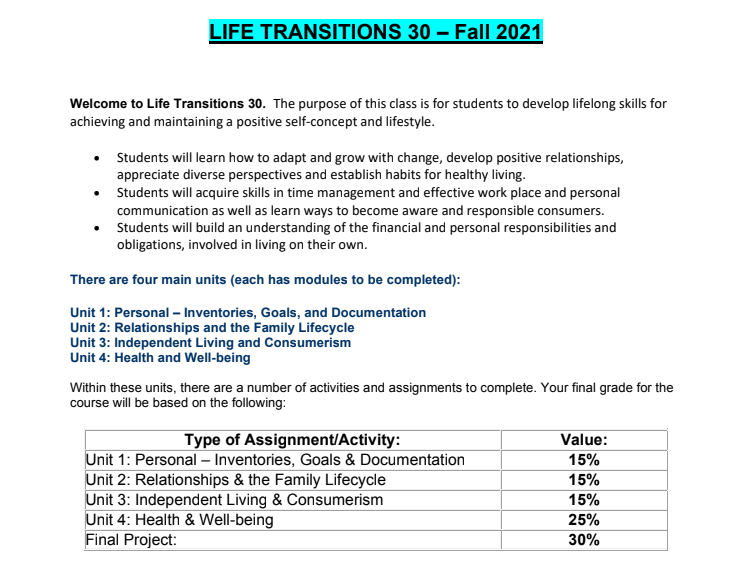
Last week, passionate convictions rolled throughout the room as my Social Studies 30 students shared their opinions on current events in Canada. Their feelings and opinions were deeply related to what they had read on media or heard through the news. Stances were polar opposites based upon personal worldviews and confusion about the facts of the issue. The hot debate centered on the questions about who to believe. Is the media a reliable source? How do we judge what is truth? What is being controlled or limited by those in power? Who controls the narrative? How do we sort fact from fiction? And. . . how can we respect diverse perspectives while still advocating for transparency?
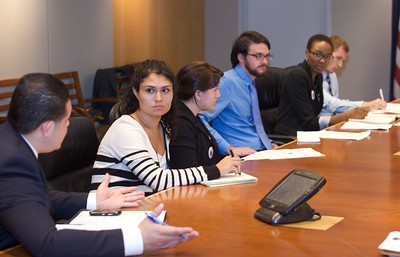
As I contemplated my Major Project for EC & I 832, I decided to develop a digital citizenship scope and sequence for Life Transitions 30. Digital citizenship is an area that I have lightly touched upon in my classes before, but it was usually related to the digital footprint we leave behind for potential employers or landlords to stumble across. Over the beginning of this master’s class, I have been alerted to the diverse range of digital competencies that should be developed or encouraged with our students. Recently, our class spoke with Dr. Mike Ribble and learned more about the 9 Elements of Digital Citizenship.
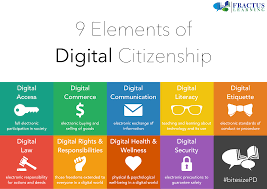
After the intense conversations had among my Grade 12 students, I realized that there is a lot of confusion around sorting facts from fiction, evaluating reliable sources, and behaving responsibly/respectfully towards others with diverse perspectives. For my project, I plan to focus on three of the competencies suggested by Ribble: Digital Etiquette, Digital Rights and Responsibilities, and Digital Health and Wellness. I will be combining these with other resources I located that connect directly to how my adult learners can navigate the complicated influx of information and media widely available on the internet. Some further searches for information turned up resources that I consider relevant for adult learners.
ISTE had an article titled, “The 5 Competencies of Digital Citizenship.” These competencies seemed to relate well to my adult learners and added additional insights that can be woven within my major project’s scope and sequence.
The five competencies of digital citizenship:
Inclusive: I am open to hearing and respectfully recognizing multiple viewpoints, and I engage with others online with respect and empathy.
Informed: I evaluate the accuracy, perspective, and validity of digital media and social posts.
Engaged: I use technology and digital channels for civic engagement, to solve problems and be a force for good in both physical and virtual communities.
Balanced: I make informed decisions about how to prioritize my time and activities online and off.
Alert: I am aware of my online actions, and know how to be safe and create safe spaces for others online.
I also found articles relating specifically towards developing skills sorting facts from fiction by using 6 R’s or using a SIFT method. LaGarde and Hudgins (2022) outlined the 9 R’s: Recognize Triggers, Retrace the Outrage, Reflect on Your Own Biases, Re-think What Going Viral Means, Resist the Urge to be First, and Re-visit Common Sense. During the convoy discussions we had last week, I opened the doors to future conversations by asking them questions relating to biases and how these affect what we read and view. It was interesting because some of my students were solidly locked into one viewpoint. Most acknowledged it was important to be open-minded and considered doing further exploration and analysis but did not appear to recognize that this applied to them as well. One or two dialogues are clearly insufficient when it comes to facilitating students’ knowledge of digital citizenship.
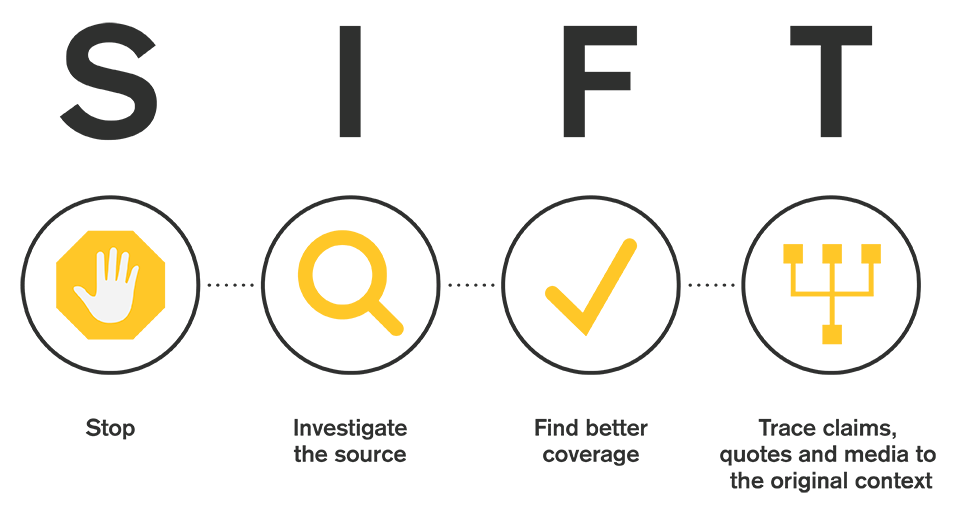
Exploring further on Twitter, I found a post by @matteodimuro who suggested the SIFT method as a means of advancing media literacy.
As I continue forward with my Major Project, all of the information to which we have been exposed and that I have uncovered is deepening my understanding of digital citizenship. I will be using these as I move into Step 2 and develop a survey to elicit ideas from my fellow adult educators on what they feel should be included in a digital citizenship scope and sequence for Life Transitions 30.